

Issue 158
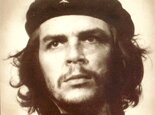
Che Guevara
40 Years On: Che Guevara
22nd October 2007
Nearly everyone knows the image and many know the name; but who knows the man? Cuba was celebrating the life of one of the world's greatest revolutionaries this month as October 9 marked the 40th anniversary of Ernesto "Che" Guevara's execution.
With an image known the world over but not many knowing the significance or story behind it, this must surely be immortality in its strongest form.
The simple yet commanding image portrayed the soul of revolution. With eyes framed by heavy brows and a look of intense determination, Che was a hero for his followers and to this day his legacy lives on.
This iconic image has gone from a powerful symbol of revolution to a fashion statement. It must surely be one of the most reproduced images of the 20th Century, now appearing on bags, tshirts and paintings. A truly disappointing fact; Che has degenerated into being a romanticised rebel, far from being a committed Marxist revolutionary fighter.
His image has become a symbol for those who believe themselves to be fighters for change. Indeed, one of the things Che stood for was change, but for Che it was physical change; putting action to words. For these new 'radicals', theirs is a metaphorical change. Che remains their figurehead; due to the lack of a modern leader, who could also demonstrate such amazing vitality, determination and selfbelief.
Che participated in Fidel Castro's successful militia invasion of Cuba in 1956 and was appointed Governor of the National Bank of Cuba. Overseeing the trials and executions of the previous government, Che enjoyed a position of power.
However his heart always belonged to change and socialism, not power, and so this is why he left Cuba and his influential position in Castro's government to fight directly for revolution. Che wasn't content to let others fight a battle for which he was one of the founders. He wanted, and needed, to be there to fight for an ideal in which he believed wholeheartedly in. He didn't fight for fighting's sake; he fought for the belief that change could happen.
To all he is a legend, but to those who knew him he is remembered for his humanity and for his strong belief in social change and justice. He left Cuba not for love of guerilla warfare, but for these very things. In essence, he was willing to give his life for socialism and people that he didn't know and this is what needs to be remembered when that iconic image captures your eye; there is a legacy and a violent past behind it. The story of a man so committed to a cause that he died for it and the whole Cuban nation still loves him because of this.
Claire Packer
 Claire Packer
Features Editor